


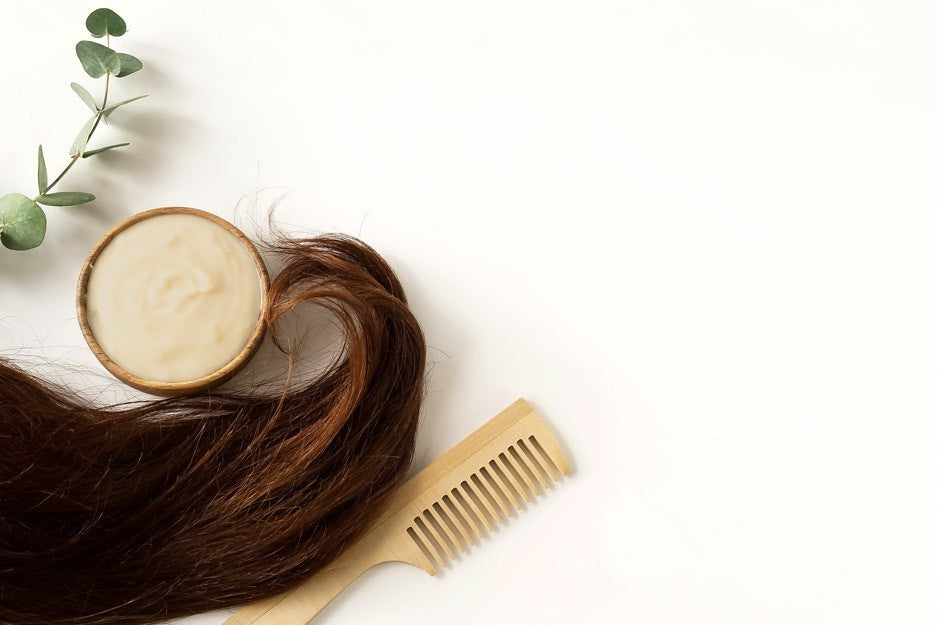
Hello everyone, do you know about cowash? Cowash is a gentle hair cleansing technique that is very popular in the United States and loved by many celebrities; it consists of using conditioner instead of traditional shampoo. The cowash method allows you to wash and cleanse your hair just as a normal shampoo would, but it is an organic alternative and a real godsend for your locks. Have you ever tried it on your hair? Let's see what it's all about!
The term cowash comes from combining "Conditioner" and "Washing": literally, "Conditioner only wash." The success of the cowash technique relies entirely on the presence of surfactant substances naturally found in conditioner, which allow for a thorough cleaning of dirt while leaving the hair completely soft, cleansed, and hydrated. Cowash is suitable for all hair types, even dry and curly hair, because it acts with full respect for the hair fiber; therefore, it can be prepared frequently without causing any damage to the scalp or hair.
Cowash is especially recommended for:
- wavy and curly hair, as it reduces frizz and leaves waves and curls softer and lighter
- oily hair, because it reduces the rebound effect caused by the constant use of shampoo
- very damaged hair, which needs more nourishing and restructuring care
- sensitive scalps, because using conditioner instead of shampoo (with a much lower sulfate content) makes the cleansing more delicate
How to prepare cowash at home?
The recipe for making cowash involves the combined use of a silicone-free conditioner with a slightly acidic pH and sugar (preferably cane sugar) to create a gentle scrub for the scalp. Mix equal parts of conditioner and sugar (half a cup each), stirring vigorously with a kitchen whisk until all lumps are dissolved. Once the mixture looks like a cream, it is ready for application. Veterans of the method suggest adding a teaspoon of honey, preferably acacia or orange blossom, for an even more velvety finish.
Dampen your hair with a spray bottle (it shouldn't be soaking wet) and wrap it in a towel, leaving it on for a few minutes: this will create the optimal warm-humid environment for the cleaning that follows. At this point, distribute the mixture onto the scalp, lengths, and ends, massaging in circular motions for at least 5 minutes to help the product penetrate more deeply. After the necessary time has passed, leave it on for a few more minutes and rinse with plenty of lukewarm water to remove all product residue.
If you notice a slight itching during application, don't worry: especially during the first few washes, it is absolutely normal to feel a slight tingling. This happens mainly because the sugar acts as a real scrub for the hair. However, if your scalp becomes red or hypersensitive to the touch, or if you see crusts forming during or after the massage, discontinue the cowash treatment immediately to avoid unpleasant situations and consult a dermatologist.
A specific cowash for every hair type
In addition to the "classic" version of cowash, you can create ad hoc recipes depending on your hair type.
For curly hair
If your hair is curly or wavy, we recommend choosing a conditioner for cowashing that is thicker and richer, to provide your hair with more nourishment and deep hydration. Then incorporate a tablespoon of plain yogurt and a tablespoon of coconut oil into the traditional mixture: the anti-inflammatory, antibacterial, and moisturizing properties of the yogurt and coconut oil will give your hair more movement and unprecedented softness.
For frizzy hair
Is your problem taming frizz? No problem, just add a tablespoon of white wine vinegar to the original cowash recipe to say goodbye to frizz and the much-hated "straw effect" forever! In fact, the antiseptic properties of wine vinegar help balance the pH of the hair and scalp, making the hair smoother, shinier, and more tamed.
For fine hair that breaks easily
Fine hair that breaks? The shampoo-free washing method could be a real revolution for your hair! Simply add a tablespoon of castor oil and one of flaxseed oil to the base mixture to invigorate your hair and encourage natural hair growth. The properties of these two prestigious oils also help the scalp increase the production of sebum naturally present on the skin, making the hair stronger from the very first applications. If your hair is very damaged, try dampening it with a mixture of coconut oil and water before starting the treatment.
For dry and brittle hair
To solve the problem of dry and parched hair, the cowash washing method proves to be an excellent ally. After creating the original mixture, try incorporating a teaspoon of honey, one of shea oil, and finally, one of aloe vera: the mix of these three ingredients has an ultra-moisturizing and nourishing action on the hair, which will appear less parched and more plumped from the very first treatments.
For oily hair and dandruff
Cowash is particularly recommended for those who suffer from an oily scalp and dandruff. If you fall into this category, just add a tablespoon of baking soda (available in any supermarket) to the base recipe to regulate excess sebum and fight the greasy effect on the hair. Alternatively, you can add a tablespoon of apple cider vinegar to your mixture, reducing the amount of sugar from half a cup to one tablespoon. This variant will help make your hair softer, lighter, and more rebalanced.
Replacing traditional shampoo with cowash: how and when
If you are wondering if it is possible to completely replace traditional shampoo with cowash, the answer is yes. But in steps. In general, it is advisable to alternate cowash with shampoo, at least for the first month, so that the hair gets used to the new treatment before replacing traditional shampoo entirely. If you completely eliminate shampoo from your cleansing haircare routine, your hair might suffer and react in an undesirable way.
How often can you cowash? There is no fixed schedule for cowashing; you will have to find the balance that is right for your hair type (some people even use cowash as a sporadic treatment, say 2-3 times/month). However, if you adopt this cleansing technique, you will notice after just a few weeks that your hair will tend to get dirty less and less over time, and appear more hydrated and luminous.
0 comments